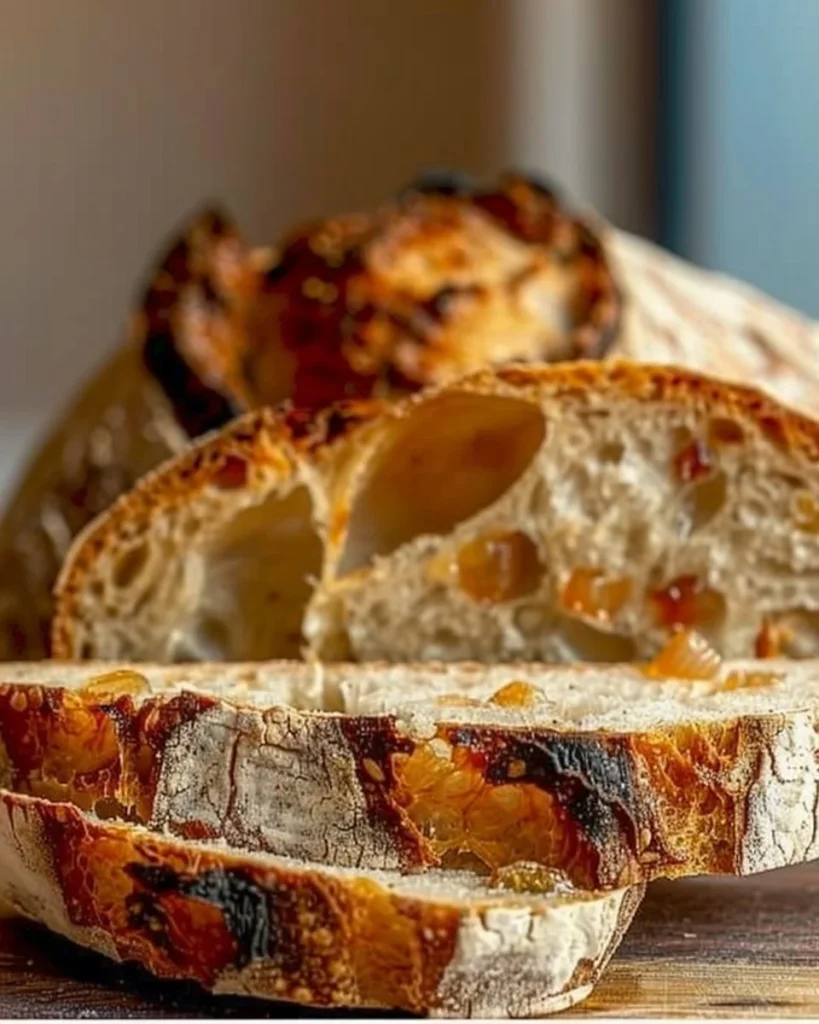
Caramelized Onion and Gouda Sourdough Bread: A Heartfelt Journey of Flavour and Memory
The first time I attempted to bake a loaf of sourdough bread, I ended up with something resembling a doorstop more than an edible masterpiece. I was trying to impress my husband, Tom, who has a strange affinity for baking (he once made a multi-tiered cake for my birthday that was—bless him—more leaning tower than confection). As I pulled my lopsided loaf from the oven, flour dusted in my hair like I was auditioning for a floury version of a home makeover show, Tom took one look at my creation and said, “You know, sometimes it’s the taste that matters more than the looks.” I laughed, but I cried a little too—it was a disaster! Fast forward a few years, and I can confidently say that this Caramelized Onion and Gouda Sourdough Bread is my redemption.
Now, I make this recipe whenever I want to lavish comfort on my family—or when I’m feeling nostalgic for that messy day in the kitchen. Trust me on this: the warm, rich flavour of caramelized onions and melty gouda enveloped in a crisp sourdough crust is a slice of pure joy.
Why This Matters
This isn’t just bread; it’s a hug in the form of a loaf. In my busy life—where meals often get pushed to the bottom of the to-do list—this recipe stands out as my go-to. It’s the perfect blend of indulgence and practicality. You see, when everything else in the world feels chaotic (looking at you, calendar filled with activities), this bread manages to ground me. It says, “I love you,” without any need for fancy flours or elaborate decorations. It’s a simple solution for those evenings when you need comfort food but don’t have hours to spare.
Before You Start
- If you only have yellow onions instead of sweet ones, go for it! It’ll be slightly sharper but equally delicious.
- The one tool that makes this infinitely easier? A cast iron skillet (trust me, a non-stick pan will just ruin the caramelisation).
- If your toddler starts melting down at step 3 (speaking from experience), hand them some dough to knead. They adore it, and it might just keep them occupied!
- Wine is always lovely while cooking, but if you’re in that kind of day, a cup of chamomile tea does wonders too.
Ingredients
- 500g strong white bread flour (It’s my secret for achieving that perfect crust; you can use all-purpose flour, but don’t blame me for the results!)
- 350ml warm water (Just a touch hotter than blood temperature; too hot, and you’ll kill the yeast. Think ‘just-bathed baby.’ )
- 1 tsp active dry yeast (If you’re like me and have a few packets lying around, so go ahead and measure!)
- 10g sea salt (Whatever salt you have is fine; I use Maldon because I’m a tad fancy like that.)
- 2 large onions, thinly sliced (I prefer yellow onions for their sweetness, but red can be a delightful twist.)
- 50g butter (The real star here—no margarine, okay?)
- 200g good quality gouda, grated (No need to break the bank, but splurge just a little—it makes all the difference.)
- Optional: fresh thyme or rosemary (I sometimes toss in a bit of thyme from my herb garden for a fresh kick—just don’t tell Tom!)
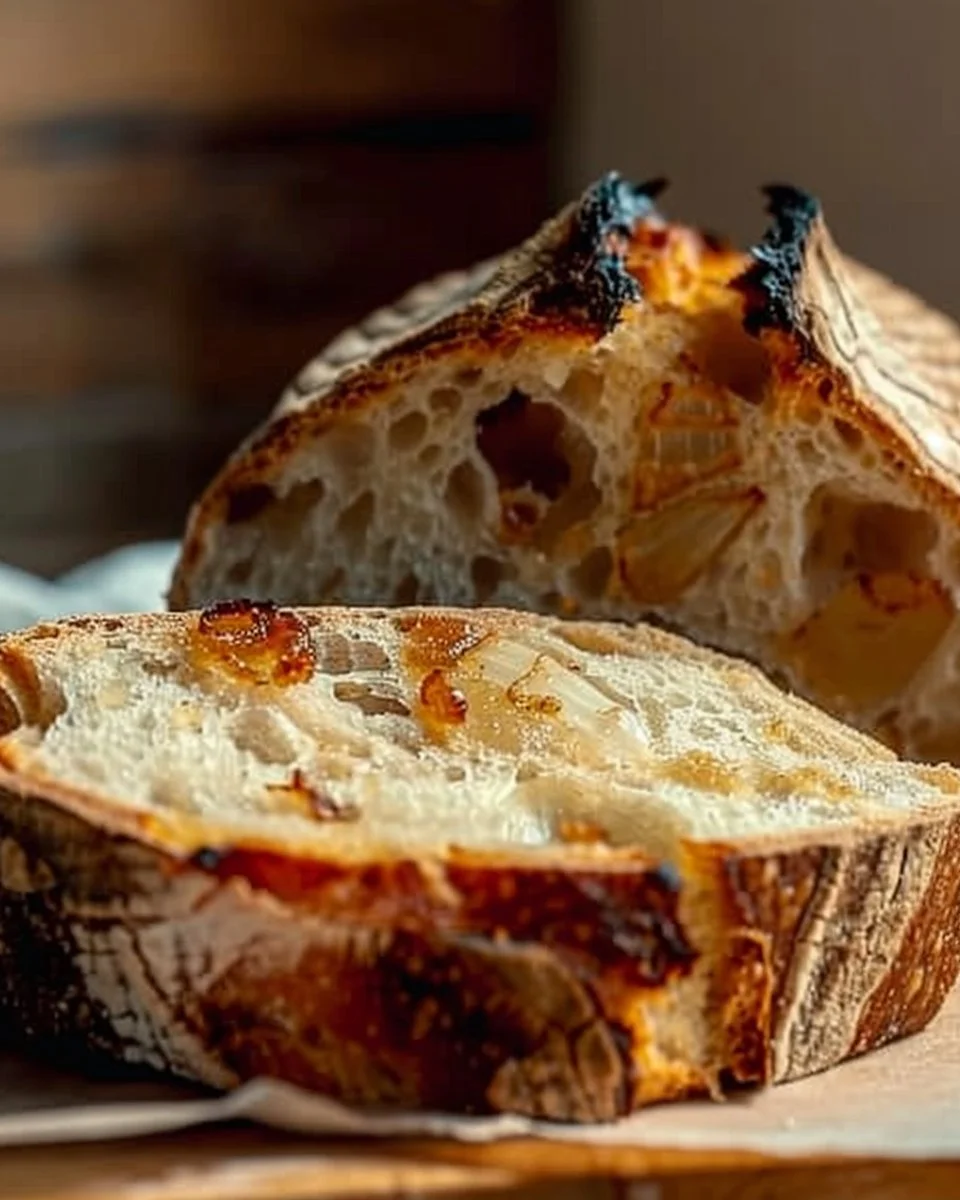
Step-by-Step Instructions
Step 1: The Dough
In a large bowl, mix the flour, sea salt, and yeast. Then gently pour in the warm water.
Why this matters: Mixing the dry ingredients first ensures the salt doesn’t have direct contact with the yeast, which can hinder its charming abilities.
Common mistake here: It’s easy to over-knead the dough by hand. It should be smooth and elastic, not a clammy mess.
My personal hack: If you find the dough too wet to handle, sprinkle a wee bit more flour in rather than risking it sticking to your fingers.
Anecdote: This is the moment I always kid my son Billy to “keep an eye on it”! He looks at it like it’s a magical potion (and maybe it is, in a sense).
Step 2: Let it Rise
Cover the bowl with a damp tea towel and let it rise in a warm place for about 1 hour, or until it’s doubled in size.
Why this matters: This is where the magic happens—yeast does its thing, turning dough into a heavenly, airy delight.
The sensory cue: You’ll know it’s ready when it has puffed up and feels alive, like it’s bubbling with excitement.
Anecdote: When I was a kid, I pretended my dough was a pet! I’d talk to it (okay, still do), but hey, it’s nice to have a friend while waiting for it to rise!
Step 3: Caramelize the Onions
While that dough is rising, let’s bring those onions to life! Heat the butter in a large skillet over medium heat. Add the sliced onions, stirring regularly until they’re soft, golden, and fragrant—about 20-30 minutes.
Why this matters: Patience is key! Caramelizing enhances sugars in the onions, creating that rich, dreamy flavor.
Common mistake here: Turning up the heat to speed things along. Please don’t—burnt onions are an absolute tragedy.
My personal hack: If you find you’re getting tired and the onions need a little boost, add a splash of balsamic vinegar to speed along the process.
Anecdote: My mum used to say the smell of caramelized onions was better than any air freshener. I have to agree!
Step 4: Incorporate the Flavours
Take the caramelized onions off the heat, let them cool for a few minutes, and then stir in the grated gouda.
Why this matters: You want the cheese to melt slightly into the warm onions.
If you’re multitasking: This is an excellent moment for some light dishwashing. Trust me, the pleasure of a clean sink is a game changer.
Anecdote: I feel connected to my grandma at this point; she would hum this particular tune whilst cooking, and I find myself humming too!
Step 5: Combine
Once the dough has risen, gently punch it down and turn it onto a floured surface. Fold in the onion and gouda mixture, kneading gently but thoroughly until it’s well incorporated.
Common mistake here: Don’t overwork the dough! That can make it tough instead of soft.
The sensory cue: You’ll know it’s just right if you can stretch it without tearing.
Anecdote: I mischievously let Billy sprinkle flour on the countertop just to keep him entertained. Little moments matter!
Step 6: Second Rise
Shape your dough into a ball and place it back in the bowl, covering it again with the damp towel. Let it rest for another 30 minutes.
Why this matters: It allows the gluten to relax, resulting in a better rise.
If it’s just not working: Look at it and walk away for a bit. Seriously, a little distance works wonders—like in all relationships!
Step 7: Preheat and Bake
Preheat your oven to 220°C (428°F). Gently shape the dough into a round or oblong loaf, placing it on a parchment-lined baking tray. Make shallow slashes on top to help it expand in the oven. Then, pop it in for 25-30 minutes.
Common mistake here: Baking straight from cold can lead to sad, doughy bread. Always preheat!
Anecdote: Once it’s in the oven, I dance around the kitchen—serve it with an eager heart and an open mind.
Step 8: Cool and Serve
Let the bread cool down for at least 30 minutes before slicing (if you can wait that long).
How to serve it with personality: I serve this in my grandmother’s old wicker bread basket because it carries nostalgic warmth.
Perfect side suggestion: A simple bowl of olive oil and balsamic vinegar for dipping, but let’s be honest—sometimes I eat it straight off the cutting board!
Leftovers taste even better because the flavours get to know each other better overnight, so don’t worry about making too much!
When I Make This
I usually make this on a Saturday afternoon, when I have the time to breathe and enjoy the cooking process. While the dough rises, I often sneak in a little Netflix or play a board game with Billy. Nothing feels quite as right as sinking my teeth into a slice while hearing my family’s laughter in the background. We love to eat it while sprawled out on the sofa, and clean-up takes about 20 minutes, but it’s always worth it because the joy it brings is simply irreplaceable.
Conversational Close
This Caramelized Onion and Gouda Sourdough Bread has seen me through many a busy week, family gatherings, and even quiet moments of solitude with a cup of tea. It might not be perfect, but it’s mine, and I hope it becomes a cherished recipe in your home too.
I’d love to hear if you make it—tag me in your cooking adventures or just enjoy it in blissful quiet. What’s your go-to comfort food? Mine changes, but right now, it’s definitely this warm and nourishing loaf of magic.
FAQ
-
Can I use a bread machine for this recipe?
If you have a bread machine, feel free to use it for kneading the dough but just be mindful—a little hand-kneading is often worth it! -
How can I make this recipe more herby?
Fresh herbs like rosemary or thyme truly elevate the flavour. Just remember that a little goes a long way. -
Can I freeze the dough before baking?
Yes! You can freeze the shaped dough after the second rise. Just thaw it slowly in the fridge and then allow it to rise before baking. -
What should I do with any leftover bread?
Toast it! Leftover slices are perfect for sandwiches or make a delightful crouton in a salad. Who says leftovers can’t be exciting? -
Is this recipe suitable for beginners?
Absolutely! Just remember to take your time, and don’t worry about what it looks like. It’s all about the fantastic flavours!
Enjoy your baking journey! 🌱
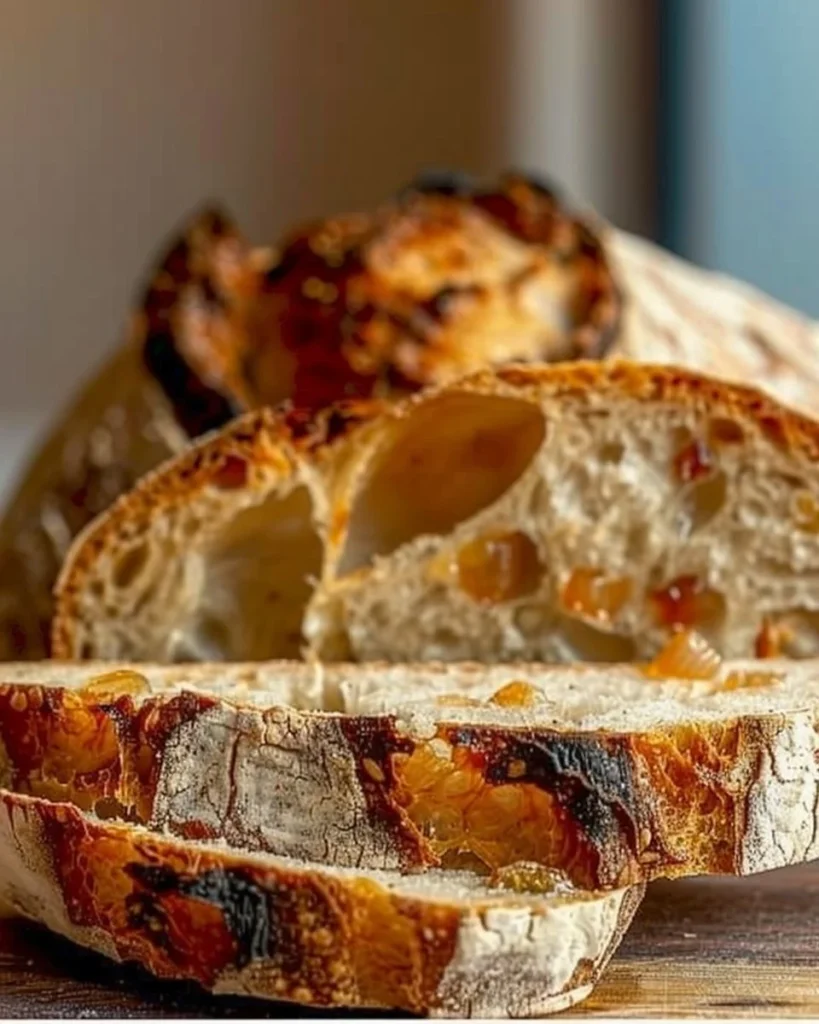
Caramelized Onion and Gouda Sourdough Bread
Ingredients
Method
- In a large bowl, mix the flour, sea salt, and yeast. Then gently pour in the warm water.
- Cover the bowl with a damp tea towel and let it rise in a warm place for about 1 hour, or until it’s doubled in size.
- Heat the butter in a large skillet over medium heat. Add the sliced onions, stirring regularly until they’re soft, golden, and fragrant—about 20-30 minutes.
- Take the caramelized onions off the heat, let them cool for a few minutes, and then stir in the grated gouda.
- Once the dough has risen, gently punch it down and turn it onto a floured surface. Fold in the onion and gouda mixture, kneading gently but thoroughly until it’s well incorporated.
- Shape your dough into a ball and place it back in the bowl, covering it again with the damp towel. Let it rest for another 30 minutes.
- Preheat your oven to 220°C (428°F). Shape the dough into a round or oblong loaf, placing it on a parchment-lined baking tray. Make shallow slashes on top to help it expand in the oven. Bake for 25-30 minutes.
- Let the bread cool down for at least 30 minutes before slicing.