THE EMOTIONAL HOOK (First 150 words)
The first time I tried to make Pizza Pinwheels, I cried. Not the cinematic hand-to-cheek single-tear thing — full-on, flour-in-my-hair, why-is-there-cheese-in-the-toaster sobbing. It was a blustery Tuesday in October, the sort of evening that makes you want carbs and a duvet. My son Tom walked in, took one look at my lopsided spirals and said, "Mum, they look like sleepy hedgehogs." That was five years ago. Since then, Pizza Pinwheels have been my "I can do this" meal: for rushed homework nights, for mates popping by unexpectedly, for when the washing pile is threatening to commit arson. Let me save you from the first awful attempt. Okay, let’s be real — if I can tame puff pastry, so can you.
THE "WHY THIS MATTERS" PARAGRAPH (100 words)
Here’s the thing: this recipe isn’t just about snacking. It’s the one that says "I made an effort" when you’ve got nothing left to give. It’s what you serve when the kids have soccer practice and your brain has clocked off, when you want something warm, cheesy and a bit cheeky that feels special without needing a whole day. Full disclosure: it also works brilliantly for traybakes at school fairs or tipping into lunchboxes (yes, cold is good). Trust me on this — Pizza Pinwheels solve the evenings when you want comfort but can’t be arsed with an entire pizza.
THE "BEFORE YOU START" SECTION
- If you only have a rolling pin and no pastry board, use a clean tea towel on the table and roll on that. Better than scraping dough off your island at midnight.
- The one tool that makes this infinitely easier: a serrated bread knife for even slices (it’s probably in your drawer under three lonely spatulas).
- If your toddler goes nuclear at step 3 (I speak from experience), put them in charge of sprinkling the cheese into a small bowl — they feel helpful, and you get fewer complaints.
- Pour a glass of red wine (I reach for a Tesco Value Malbec) or a strong mug of tea while you wait. Helps with patience. Trust me.
THE INGREDIENTS LIST WITH PERSONAL NOTES
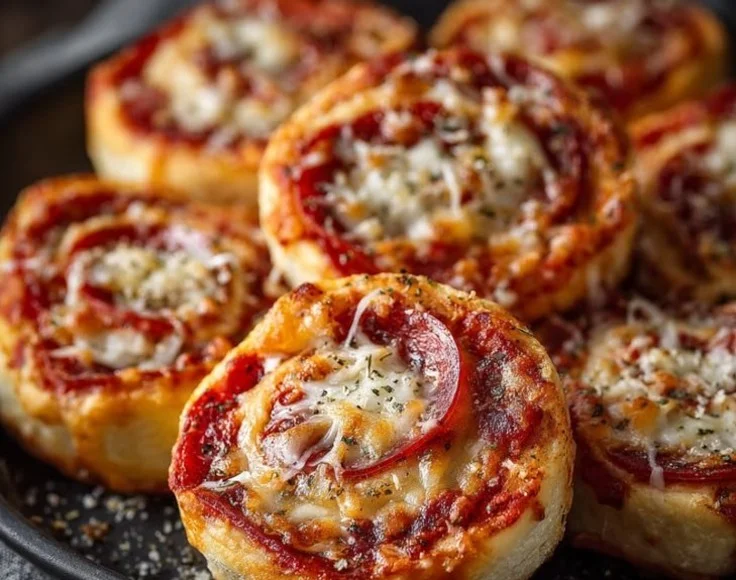
- 1 sheet ready-rolled puff pastry (about 320g) (I use Tesco Value puff pastry because my wallet forgives me, and it puffs up like a dream)
- 4 tbsp tomato pizza sauce or passata (I sometimes use a spoonful of Heinz tomato ketchup in a pinch — don’t judge)
- 100g grated mozzarella (or a mix of mozzarella and cheddar if you like a sharper bite) (grate it fresh unless you hate yourself)
- 6 slices pepperoni or salami, torn into pieces (optional — my friend Sarah insists on turkey ham instead)
- 1 tbsp olive oil (for brushing) (cheap supermarket olive oil is fine; save the posh stuff for drizzling on salad)
- 1/2 tsp dried oregano (or a few fresh leaves if you’re feeling fancy)
- 1 egg, beaten (for egg wash) (this makes them glossy and gives golden edges; don’t skip unless you have an allergy)
- Pinch of salt and cracked black pepper (taste matters — not too much salt though; cheese brings a lot)
THE STEP-BY-STEP WITH STORIES
Step 1 — Preheat and prepare
Practical instruction: Preheat your oven to 200°C / 400°F / Gas 6. Line a baking tray with baking paper.
Why this step matters: Puff pastry needs heat to puff. Hot oven, happy spirals.
Common mistake: Putting them in a cold oven. They’ll be flat and glum. Don’t do what I did the first time — I stood around chatting and they creased. Learn from my mistakes.
Anecdote: I once forgot to preheat and ended up microwaving a slice to calm down my four-year-old’s hunger. It was a mistake, but he approved.
Step 2 — Lay out the pastry
Practical instruction: Unroll the pastry on a lightly floured surface. If it’s a little crackly, let it sit for 5 minutes so it relaxes.
Why this step matters: If you try to roll a stubborn sheet, it tears. The rest is fiddly and sad.
My hack: If the pastry resists, press it gently with the heel of your hand first, then roll. Works like a charm. (Honestly, this is one of my favourite parts: feeling it relax under the pin.)
Sensory cue: You’ll hear a faint crackle as the pastry warms. That’s good.
Step 3 — Spread the sauce
Practical instruction: Spread the tomato pizza sauce evenly, leaving a 1cm border all the way round.
Why this step matters: The border helps the roll stay sealed and stop sauce leaking during the bake.
Common mistake: Overloading. Too much sauce = soggy centre. Trust me on this.
Anecdote: Tom once asked for extra sauce like it was a superpower. He learned moderation after the soggy disaster.
Step 4 — Add cheese and toppings
Practical instruction: Sprinkle the grated mozzarella evenly. Scatter the pepperoni/salami pieces. Add a pinch of oregano, salt and pepper.
Why this step matters: Even distribution means every pinwheel gets that gooey, melty centre.
My personal hack: If you love crispiness (I do), put a tiny bit of extra cheese near the edge where the pastry will meet — it seals and caramelises beautifully.
Sensory cue: The smell of cheese and oregano will hit you and make you want to eat raw pastry. Don’t do that.
Step 5 — Roll it up
Practical instruction: Starting from one long edge, roll the pastry tightly into a log. Press gently to seal the seam. Chill for 10–15 minutes in the fridge (this helps make cleaner slices).
Why this step matters: A tight roll gives neat spirals. Chilling firms the pastry so you don’t squash it with your knife.
Common mistake: Rushing. If you try to slice immediately, it’ll smear. Learn from my mistakes — patience pays.
Anecdote: Don’t laugh — once I rolled it, then realised I’d been spreading jam instead of sauce. My partner ate two anyway and gave polite compliments. Marriage is compromise.
Step 6 — Slice and glaze
Practical instruction: Slice the log into roughly 2cm-thick rounds with a serrated knife (gentle sawing motion). Place rounds on the baking tray with space to spread. Brush the tops with beaten egg and a tiny drizzle of olive oil.
Why this step matters: The egg wash gives that bakery gloss. Olive oil helps edges go crisp.
My hack: Dip the knife in hot water and dry between a couple of stubborn cuts to get clean edges. It’s slightly unorthodox but it works.
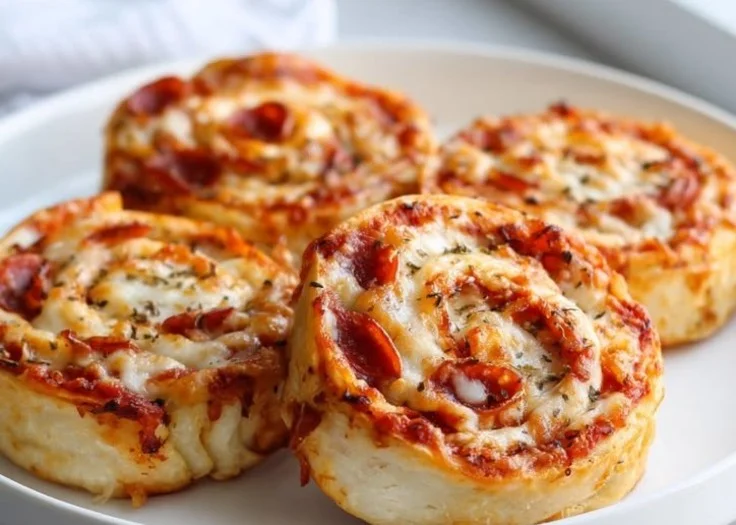
Sensory cue: You’ll see the cheese peek through the spiral like a promise.
Step 7 — Bake
Practical instruction: Bake for 12–15 minutes, until golden and puffed. Keep an eye at the 10-minute mark — ovens vary.
Why this step matters: That window makes the crisp edges and gooey middle. Overbake and you lose the softness.
Common mistake: Opening the oven too often. Each peep drops heat. Don’t be me.
Anecdote: I once baked them while watching a programme and forgot to flip a tray halfway (yes, sometimes I forget to multitask well). The crisp bits at the back were my reward. I ate them standing at the sink.
Step 8 — Cool slightly and serve
Practical instruction: Let them cool on the tray for 3–4 minutes before moving to a rack or platter.
Why this step matters: Hot cheese is joyful, but molten lava is not. Let them set just enough.
Anecdote: I have a quirk: I eat the crispy bits straight from the pan. Full disclosure: sometimes I don’t wait the full 4 minutes.
THE "TROUBLESHOOTING REAL LIFE" SECTION
If the bottoms burn: Slide them onto a cooler baking tray and give them one minute less next round. Burnt? Remove the worst bits and call it rustic. No one will notice if you serve with napkins.
If your roll falls apart when slicing: Pop it in the freezer for 5–10 minutes. Really. It firms up and slices cleanly. Learn from my mistakes — freezing is a quiet hero here.
Out of mozzarella: Use cheddar, Red Leicester, or a melting vegan cheese. I’ve used leftover grated cheddar with a dab of cream cheese once when the cupboard was sad. It worked. Maybe it was the wine helping.
Kid emergency/work call at step 6: Put the tray in the fridge (not the oven) and walk away. The pastry will be fine for 30–60 minutes. If the oven already on, turn it off and restart when you get back. Don’t panic. Breathe. You can order takeaway if all else fails and reclaim your dignity later.
If they’re soggy in the middle: You either had too much sauce or the oven was not hot enough. Next time, use less sauce, or give them 1–2 more minutes in the oven and a quick blast under a preheated grill for 30 seconds (watch like a hawk). Trust me on this.
If you want to freeze them: Bake fully, cool, freeze flat on a tray, then bag. Reheat at 180°C for 8–10 minutes. Handy for panic tea times.
THE SERVING STORY
I serve these on a big flat wooden board — you know, the kind you use once then wonder where the crumbs came from. They look friendly strewn about, like little edible hugs. The perfect side is a crisp rocket salad with lemon and a drizzle of olive oil, but honestly, sometimes we eat straight from the tray on the telly tray at the coffee table. Leftovers are better the next day because the flavours settle and the dough gets slightly chewy in a nice way. If I’m feeling fancy, I make a tiny pot of garlic mayo for dunking (mix mayonnaise with a crushed garlic clove and a squeeze of lemon). My friend Sam calls it "posh sauce" and pretends it came from a restaurant.
THE "WHEN I MAKE THIS" STORY
I usually make this on Thursdays because that’s my week’s tipping point — laundry mountain meets meeting calls and the kids have swimming. While it cooks, I fold a small, shameful amount of laundry (socks mostly), answer a text from my sister Ava, and watch two minutes of rubbish daytime telly — purely for research. We eat at the kitchen island when the weather’s rotten, or outside on a mild summer evening with fairy lights if we’re lucky. Cleanup takes about 10–15 minutes if you’re tidy as you go; otherwise, it’s a solid 25 and some negotiation with the dishwasher. That said, the small mess is worth the warm, cheesy payoff. Sometimes Tom takes half to school the next day and watches the look on his mates’ faces when he opens the lunchbox. Priceless.
THE CONVERSATIONAL CLOSE
Maybe it’s just me, but recipes that survive kids, chaos and the odd bottle of sauce in the fridge are the ones worth keeping. I’m not gonna lie — there are nights when these are what stands between me and ordering something sad on the app. The secret nobody tells you? A little patience at the rolling stage saves you a lot of fiddling later. Can we talk about how food becomes memory? This one sits in the cosy corner of our week. Don’t do what I did and try to spice everything on the first go. Start simple. Add bits. Make it yours. I’m telling you: the crispy edge, the gooey middle, the smell of oregano — it’s home. If you make them, tag me or just eat them quietly (I won’t tell). What’s your go-to weeknight cheat? Mine changes, but right now it’s definitely these Pizza Pinwheels.
Conclusion
If you want a few variations or to compare techniques, I often look at other cooks for inspiration: for a classic take try Pizza Pinwheels Recipe – Allrecipes, for a slightly fancier spiral with herbs see Pizza Pinwheels – Carlsbad Cravings, and if you like bright step-by-step photos try Easy Pizza Pinwheels Recipe | YellowBlissRoad.com.
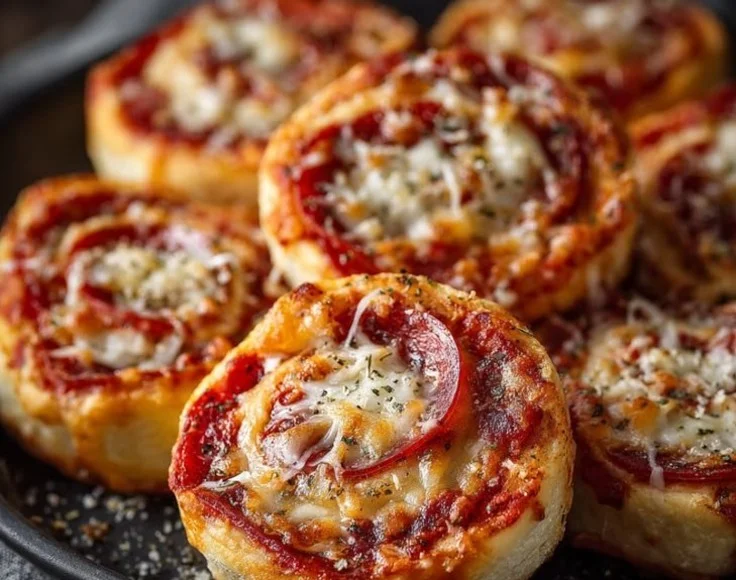
Pizza Pinwheels
Ingredients
Method
- Preheat your oven to 200°C / 400°F / Gas 6 and line a baking tray with baking paper.
- Unroll the pastry on a lightly floured surface. Let it relax for 5 minutes if it's crackly.
- Spread the tomato pizza sauce evenly on the pastry, leaving a 1cm border around.
- Sprinkle the grated mozzarella evenly over the sauce. Scatter the pepperoni/salami pieces on top, then add oregano, salt, and pepper.
- Roll the pastry tightly from one long edge into a log and press gently to seal the seam.
- Chill the rolled pastry in the fridge for 10–15 minutes to make slicing easier.
- Slice the log into roughly 2cm-thick rounds and place them on the prepared baking tray with space between.
- Brush the tops of the pinwheels with the beaten egg and drizzle a bit of olive oil.
- Bake in the preheated oven for 12–15 minutes until golden and puffed, keeping an eye after 10 minutes.
- Let them cool on the tray for 3–4 minutes before transferring to a serving platter.